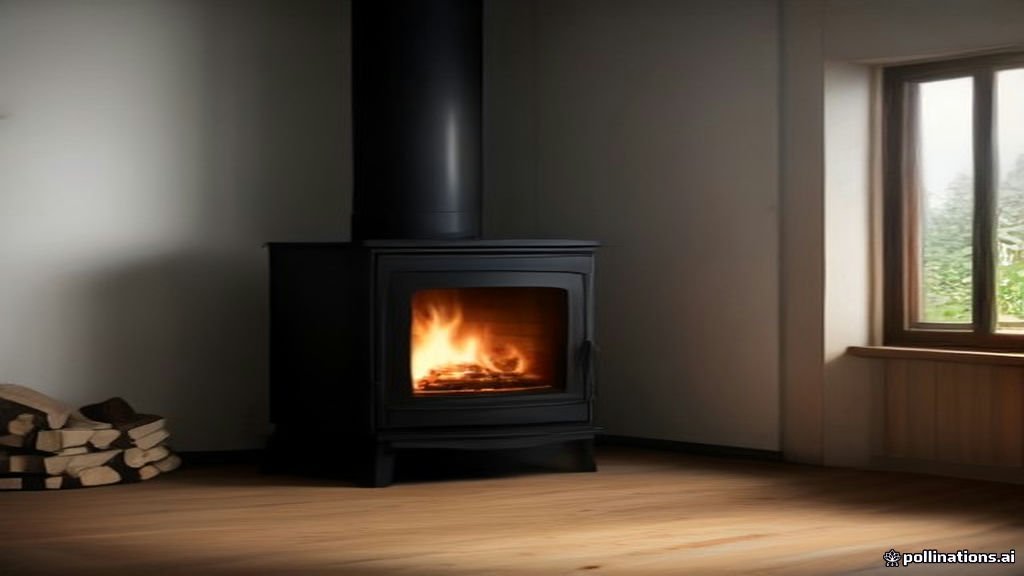
Warm Your Home and Your Wallet with Clean Energy

As energy prices fluctuate, homeowners are increasingly turning to sustainable heating solutions. The federal government is making this transition more affordable through the Residential Clean Energy Credit. If you have recently installed or are considering a biomass stove or wood-burning boiler, you could be eligible for a significant tax break that covers a large portion of your installation costs.
What is the Biomass Stove Tax Credit?
Under the Inflation Reduction Act, the tax credit for biomass stoves and boilers has been significantly expanded. Homeowners can now claim a 30% tax credit on the purchase and installation of qualifying biomass heating property. This credit is capped at $2,000 per year, making it one of the most lucrative incentives for home energy efficiency.
Does Your Installation Qualify?
Not every wood stove meets the federal requirements. To qualify for the credit, your biomass stove or boiler must meet the following criteria:
- Thermal Efficiency: The unit must have a thermal efficiency rating of at least 75% (measured by the higher heating value of the fuel).
- Fuel Source: The unit must burn biomass fuel, which includes agricultural crops, trees, wood, and wood waste.
- Primary Residence: The installation must be in a home located in the United States that you use as a residence.
Pro Tip: Always ask your retailer for a ‘Manufacturer’s Certification Statement’ to ensure the model you are buying meets the 75% efficiency threshold required by the IRS.
How to Claim Your Credit on Your Tax Return
Claiming the credit is a straightforward process, but it requires diligent record-keeping. Follow these steps to ensure you don’t miss out:
- Step 1: Collect Your Documentation. Save all receipts for the purchase of the unit and the professional installation costs.
- Step 2: Download IRS Form 5695. Use ‘Residential Energy Credits’ Form 5695 when filing your annual tax return.
- Step 3: Calculate Your Credit. Enter the total cost (equipment plus labor) and calculate 30% of that amount, ensuring it does not exceed the $2,000 annual limit for biomass property.
- Step 4: File with Your Return. The credit is non-refundable, meaning it can reduce the taxes you owe to zero, but it will not be paid out as a refund check if you have no tax liability.
Key Takeaways
- The credit covers 30% of costs, up to $2,000 annually.
- Qualified units must be at least 75% efficient.
- Labor and installation costs are included in the credit calculation.
- Keep your Manufacturer’s Certification Statement for your records.
Frequently Asked Questions
Q: Can I claim the credit for a stove in a rental property?
A: No, the credit is specifically for homes used as a residence by the taxpayer. It cannot be claimed for properties used exclusively as rentals.
Q: Does the credit apply to pellet stoves?
A: Yes! Most modern pellet stoves meet the 75% efficiency requirement and qualify as biomass heating property.
Q: Is there a limit on how many times I can claim this?
A: The $2,000 cap is an annual limit. If you install a stove this year and other qualifying energy upgrades next year, you can claim the credit in both tax years.