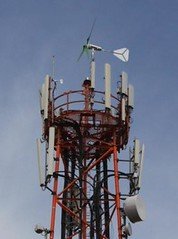
Harness the Power of the Wind at Home

Looking to slash your energy bills and embrace true energy independence? Installing a small residential wind turbine is one of the most powerful renewable energy upgrades you can make. Best of all, the federal government wants to help pay for it through the Residential Clean Energy Credit. If you have been on the fence about adding a backyard turbine, understanding the qualification rules is your ticket to massive savings.
1. Meet the Basic Ownership and Installation Requirements
To qualify for the federal tax credit, the rules are designed primarily for homeowners who generate energy for their own residential properties. Fortunately, you do not necessarily have to be a full-time resident.
- Property Types: The credit applies to primary residences and secondary homes in the United States. Rental properties generally do not qualify unless you also live there part of the year.
- New and Existing Homes: You can install a wind turbine on an existing home or during a major new construction project.
- Ownership Rules: You must own the system. Systems that are leased or governed by certain power purchase agreements (PPAs) usually do not qualify the resident for the tax credit.
2. Ensure Your Wind Turbine Meets Technical Standards
Not just any backyard fan will qualify for a hefty tax write-off. The IRS sets strict performance benchmarks to ensure that subsidized systems are safe, efficient, and genuinely green.
- Capacity Minimums: Your residential wind turbine must have a generation capacity of at least 0.5 kilowatts (500 watts).
- Certified Performance: Look for turbines certified by an accredited body like the Small Wind Certification Council (SWCC) or the International Electrotechnical Commission (IEC).
- Labor and Materials: Both the equipment costs and the contractor installation fees are eligible for the credit. Always keep itemized invoices.
3. File IRS Form 5695 Correctly
Claiming your credit is straightforward, but it requires precise paperwork at tax time. Missing a step can delay your refund or trigger an audit.
- Form 5695: You must complete and attach IRS Form 5695 (“Residential Energy Credits”) to your federal income tax return.
- Carryforward Benefits: If the tax credit exceeds your total tax liability for the year, the remaining balance can be rolled over to reduce your taxes in future years.
- Professional Guidance: Consult a certified public accountant (CPA) familiar with green energy incentives to ensure your documentation is bulletproof.
Key Takeaways
- The federal Residential Clean Energy Credit can cover a significant percentage of your wind turbine installation costs.
- The system must be installed on a US residential property that you own (primary or secondary home).
- Turbines must meet strict performance standards and generate a minimum of 0.5 kW.
- Always keep detailed receipts of equipment and installation labor for IRS Form 5695.
Frequently Asked Questions
What percentage of the wind turbine cost can I claim?
Under current federal guidelines, homeowners can claim a tax credit worth up to 30% of the total cost of the residential wind turbine system, including installation labor.
Can I combine a wind turbine with solar panels for the same tax credit?
Yes! You can claim the Residential Clean Energy Credit for multiple renewable energy technologies on the same property, including solar panels, wind turbines, geothermal heat pumps, and battery storage.
What happens if my tax liability is lower than the credit amount?
If your credit exceeds what you owe in federal taxes for that year, the IRS allows you to carry the remaining unused credit forward to subsequent tax years.