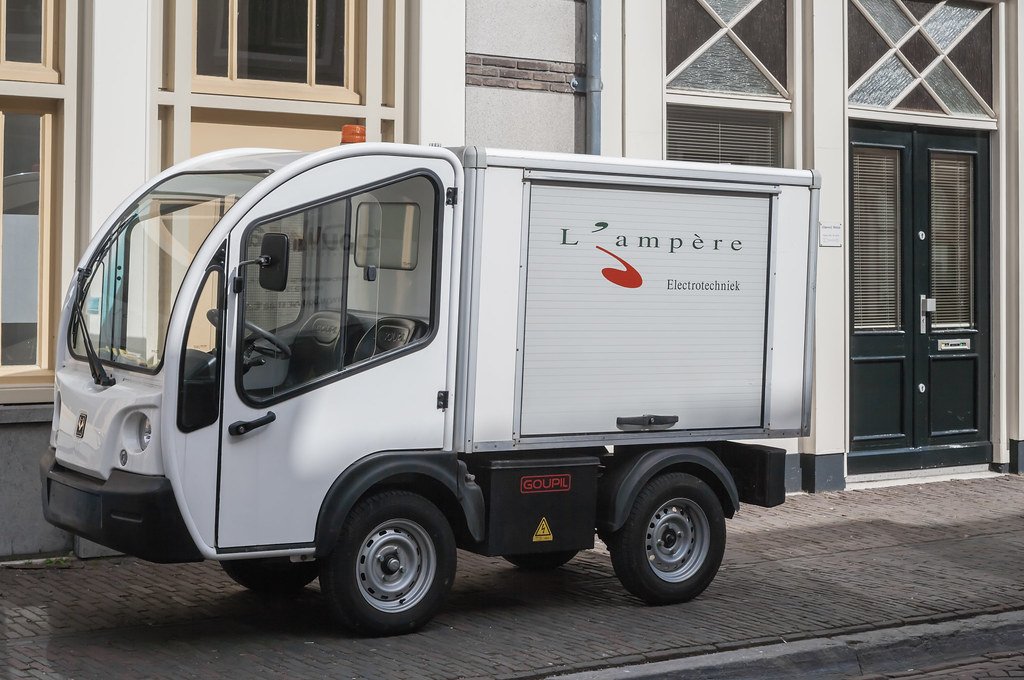
Transitioning a commercial fleet to electric power represents one of the most substantial financial investments a business can make. However, the path to sustainable transportation has become significantly more affordable thanks to sweeping federal incentives. If your business is currently evaluating fleet upgrades, understanding how to claim the commercial clean vehicle tax credit can save your company thousands of dollars per vehicle. Whether you are scaling up with used electric vans for local delivery routes or overhauling your entire regional transport network, the federal government offers robust financial backing designed to offset high upfront acquisition costs. This comprehensive guide breaks down everything US business owners, fleet managers, and tax professionals need to know to navigate IRS rules, meet strict eligibility criteria, and successfully secure maximum tax savings for used commercial electric vehicle purchases.
Understanding the Commercial Clean Vehicle Tax Credit

Codified under Internal Revenue Code Section 45W (often referenced alongside Section 25E for used clean vehicles), the commercial clean vehicle credit provides a direct financial incentive for businesses and tax-exempt organizations that purchase qualified plug-in electric or fuel cell vehicles. Unlike consumer-facing EV credits that focus heavily on new passenger cars, the commercial-grade incentive is tailored specifically for business applications. This includes delivery vans, service trucks, and work vehicles used predominantly for business purposes rather than personal commuting.
The primary advantage of the commercial clean vehicle credit is its broad applicability. It applies not just to brand-new inventory straight off the assembly line, but also to pre-owned commercial vehicles. For growing enterprises looking to trim capital expenditure, buying pre-owned electric vans provides an immediate entry point into green mobility while retaining eligibility for substantial federal tax offsets.
Key Rules and Financial Limits for Pre-Owned Commercial EVs
When targeting pre-owned fleet vehicles, business owners must adhere to specific statutory caps and valuation rules set forth by the IRS. The maximum credit available for any qualified commercial clean vehicle is the lesser of:
- 30% of the vehicle’s basis (purchase price); or
- The incremental cost of the vehicle compared to a comparable internal combustion engine vehicle.
Furthermore, under IRS guidelines for light-duty commercial vehicles, the maximum credit amount is capped at $7,500 for vehicles under 14,000 pounds, and up to $40,000 for heavier commercial trucks and vans exceeding 14,000 pounds. For a small business purchasing a used electric delivery van priced at $35,000, a 30% credit yields an immediate $10,500 tax liability reduction, restricted by the $7,500 statutory cap for light commercial vehicles. For heavier models, the savings scale dramatically higher.
Step-by-Step Guide to Claiming Your Fleet Tax Credit
Claiming the commercial clean vehicle tax credit requires strict adherence to IRS documentation procedures. Missing a single filing step can result in an audit or the complete disallowance of the credit. Follow this structured roadmap to ensure complete compliance:
- Verify Business Eligibility: Confirm that your entity is a recognized business, partnership, corporation, or tax-exempt organization. Vehicles purchased solely for personal use do not qualify under Section 45W.
- Select a Qualified Used Electric Van: Ensure the vehicle has a gross vehicle weight rating (GVWR) of at least 1,000 pounds, features a battery capacity of at least 7 kilowatt-hours (kWh), and utilizes an external charging source.
- Confirm Pre-Owned Status Rules: The vehicle must be acquired for use in your business and not for resale. The original model year must be at least two years prior to the calendar year of purchase, and the vehicle must not have been previously transferred to another qualified buyer after December 31, 2022.
- Obtain Seller Verification: The dealer or seller must provide you with a verified report at the time of sale and submit the same report electronically to the IRS. Without this dealer confirmation, your claim will be rejected.
- File IRS Form 8936: Complete and attach Form 8936 (Qualified Plug-in Electric Drive Motor Vehicle Credit) along with your annual business federal tax return to officially claim the credit.
Navigating Dealer Reporting and IRS Compliance
One of the most critical updates in recent tax code enforcement is the mandatory dealer reporting requirement. Unlike previous years where buyers could simply self-certify vehicle purchases on their tax returns, buyers of used commercial electric vans must rely on the dealer’s interaction with IRS systems.
At the time of purchase, the licensed dealership must file a report of the sale through the IRS Energy Credits Online portal. The dealer must provide the buyer with a copy of this accepted submission. When your certified public accountant (CPA) or tax preparer files your annual return, the confirmation number from this portal must be properly recorded. Failure by the dealership to register the sale electronically means the IRS has no record of the transaction’s clean vehicle status, rendering the credit unclaimable.
Business Use and Mileage Documentation Best Practices
To successfully defend your tax credit during an IRS examination, maintaining immaculate internal records is non-negotiable. The IRS requires that vehicles qualifying for the commercial clean vehicle credit be used predominantly in a trade or business. If a vehicle is utilized for personal driving exceeding 50% of its total mileage, the credit may be partially clawed back or denied entirely.
Fleet managers should implement GPS tracking software or detailed physical mileage logs recording:
- Daily trip origins and destinations
- Purpose of commercial travel (e.g., client deliveries, service calls)
- Total annual business mileage versus personal mileage ratios
- Maintenance records proving ongoing operational status
Comparing Financing, Leasing, and Direct Purchase Options
When upgrading your fleet with used electric vans, the financing structure you choose can dramatically impact how the tax benefits are realized. Business owners can choose between direct outright purchases, commercial loans, or commercial leases.
| Acquisition Method | Tax Credit Recipient | Cash Flow Impact | Best For |
|---|---|---|---|
| Direct Purchase (Cash) | The Business Entity | High upfront capital required | Capital-rich businesses seeking immediate deductions |
| Commercial Loan | The Business Entity | Moderate monthly outlays | Growing fleets needing liquidity preservation |
| Commercial Lease | The Leasing Company (Pass-through possible) | Low initial costs, predictable expenses | Companies wanting to avoid long-term asset depreciation |
In a commercial lease arrangement, the leasing company technically owns the vehicle and thus captures the Section 45W credit directly. However, competitive leasing companies often pass these savings down to the lessee through significantly lower monthly lease payments. Always consult your financial advisor to determine whether purchasing or leasing maximizes your specific tax strategy.
Key Takeaways and Pro Tip for Fleet Owners
Leveraging government incentives for used commercial vans is a masterclass in modern corporate finance. By understanding the intersection of vehicle weight classes, purchase price caps, and mandatory electronic dealer reporting, your enterprise can accelerate electrification while protecting its bottom line.
- Verify that your chosen dealership is officially registered on the IRS Energy Credits Online portal before finalizing any purchase agreement.
- Ensure your pre-owned electric vans meet the strict two-year age rule from original manufacture to current acquisition date.
- Maintain comprehensive, daily mileage logs to substantiate the commercial-use percentage required by IRS auditors.
- Coordinate with a specialized green-energy tax accountant to ensure Form 8936 and all related schedules are filed accurately.
Expert Pro Tip: Never assume a used vehicle automatically qualifies just because it runs on electricity. Always request the IRS Energy Credits Online confirmation receipt in writing from your auto dealer before driving the van off the lot. If the dealer refuses or fails to file this digital report, walk away from the deal, as you will lose your legal right to claim the credit on your tax return.
Frequently Asked Questions
Can sole proprietors and independent contractors claim the commercial clean vehicle tax credit?
Yes. Sole proprietors, independent contractors, and single-member LLCs using vehicles for business operations are eligible to claim the commercial clean vehicle tax credit, provided the vehicle is used predominantly (more than 50%) for business purposes.
Are there income limits for businesses purchasing used commercial electric vans?
No. Unlike individual consumer EV tax credits which enforce strict modified adjusted gross income (MAGI) caps on buyers, the commercial clean vehicle credit under Section 45W does not impose revenue or income limits on purchasing business entities.
What is the minimum battery capacity required for a used commercial EV to qualify?
To qualify for the federal commercial clean vehicle credit, the pre-owned electric van or truck must feature a battery capacity of at least 7 kilowatt-hours (kWh) and be capable of being recharged from an external electricity source.
Can I claim the credit if I purchase multiple used electric vans in a single tax year?
Yes. There is no statutory limit on the number of vehicles a business can claim. You can claim the commercial clean vehicle tax credit for as many eligible fleet vehicles as your business purchases and puts into service during the tax year.
What happens if I sell my used commercial electric van shortly after purchasing it?
If you dispose of or sell the vehicle shortly after purchase without maintaining a legitimate business use, the IRS may deem the transaction non-qualifying, resulting in the recapture of the tax credit plus potential penalties during an audit.
Is the commercial clean vehicle credit refundable?
No. The Section 45W credit is a non-refundable general business credit. This means it can offset your business’s federal income tax liability down to zero, but any excess credit amount cannot be paid out as a direct cash refund, though it can typically be carried back or forward to other tax years.
Latest News & Current Updates
Stay up to date with recent headlines and market developments related to How to Claim the Commercial Clean Vehicle Tax Credit for Used Electric Vans and Fleet Upgrades:
- Clean vehicle credits after OBBBA: What you need to know in 2026 — Wolters Kluwer (03 Mar 2026)
- Filing Tax Form 8936: Qualified Plug-in Electric Drive Motor Vehicle Credit — TurboTax (19 Sep 2026)
- Where Key Clean Energy Tax Credits Stand | Briefing — Environmental and Energy Study Institute (EESI) (12 Dec 2025)
- IRS Issues Proposed Regulations for the Section 45W Commercial Clean Vehicle Credit — Current Federal Tax Developments (10 Jan 2025)