
Navigating Home Office Deductions for Multiple Side Hustles
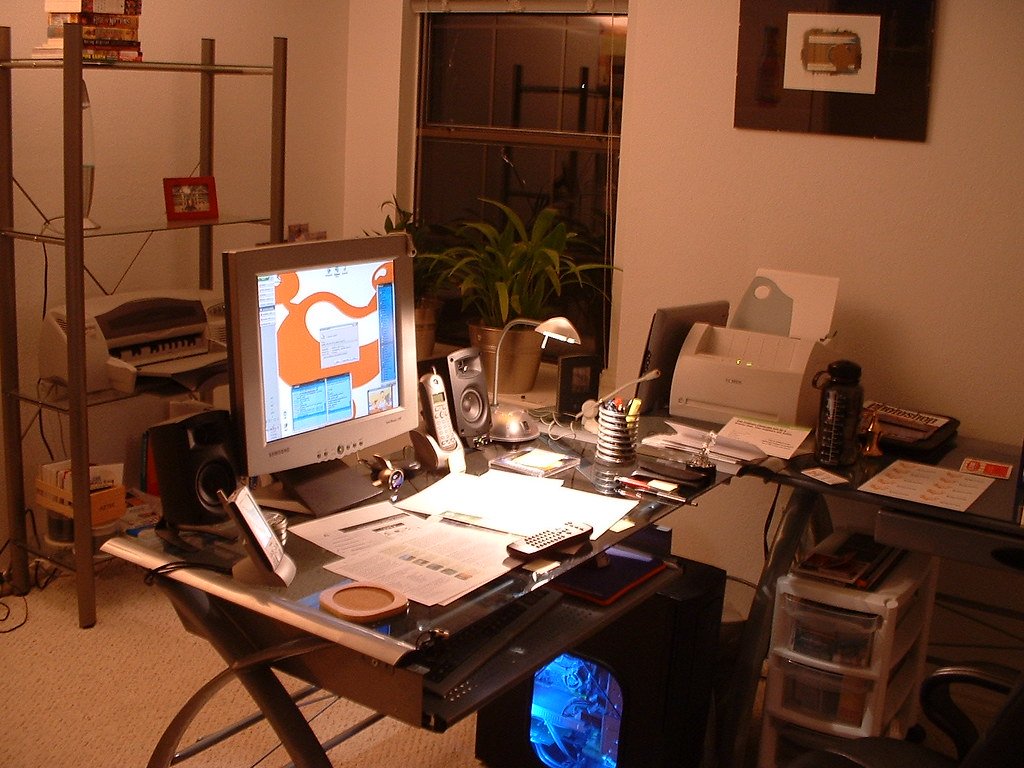
Running more than one business from home can feel like a financial balancing act. Whether you are freelancing as a graphic designer during the day and running an e-commerce store by night, the line between personal space and professional space quickly blurs. If you are filing a Schedule C for each of your ventures, understanding how to claim the home office deduction multiple side hustles strategy requires precision, careful record-keeping, and a thorough grasp of Internal Revenue Service (IRS) guidelines. Many self-employed professionals leave hundreds—if not thousands—of dollars on the table simply because they fear triggering an audit or do not know how to legally split shared expenses across separate business entities.
In this comprehensive guide, we will break down the exact rules, eligibility thresholds, and calculation methods needed to maximize your legitimate tax write-offs. By the time you finish reading, you will know precisely how to measure your space, allocate your utility bills, and file your Schedule C forms with confidence, keeping your hard-earned money in your pocket where it belongs.
Decoding IRS Eligibility Rules for Your Home Office
The Exclusive and Regular Use Test
Before you even begin calculating square footage, your workspace must pass the IRS’s two primary tests: exclusive use and regular use. This is where many multi-gig workers stumble. The IRS strictly defines a home office as an area used exclusively for conducting business. If your home office desk is also where your children do their homework, or if your spare bedroom doubles as a guest room for visiting family members, it fails the exclusivity test. However, if you run two entirely different side hustles—say, freelance writing and digital consulting—both businesses can share the exact same dedicated home office space, provided that space is not used for personal activities.
Principal Place of Business
Your home office must also qualify as your principal place of business. If you perform administrative or management activities for your side hustles at home—such as invoicing clients, managing inventory, or running marketing campaigns—and you have no other fixed location where you conduct substantial administrative or management tasks of the trade or business, your home office meets this requirement. Even if you occasionally meet clients offsite or perform physical labor elsewhere, your home base still qualifies.
Simplified Method vs. Actual Expense Method
When it comes time to file your Schedule C, you must choose between two distinct methods for calculating your deduction. Selecting the right method can dramatically impact your final write-off amount.
1. The Simplified Method
Introduced by the IRS to reduce the administrative burden on taxpayers, the simplified method allows you to deduct a standard rate of $5 per square foot of home used for business, up to a maximum of 300 square feet. This caps your maximum deduction at $1,500 per year. While this method requires virtually no record-keeping of actual utility bills, internet costs, or depreciation, it may leave significant money on the table if you live in a high-cost-of-living metropolitan area like New York, San Francisco, or London where housing and utility expenses are exceptionally steep.
2. The Actual Expense Method
The actual expense method requires you to figure the exact cost of maintaining your home office. You divide the square footage of your office by the total square footage of your home to determine your business-use percentage. You can then apply this percentage to a wide variety of indirect expenses, including:
- Mortgage interest or rent payments
- Homeowners or renters insurance
- General home repairs and maintenance (e.g., roof repairs, HVAC servicing)
- Utilities (electricity, gas, water, trash removal)
- High-speed internet services
While the actual expense method involves meticulous receipt tracking and math, it almost always yields a much larger tax deduction for homeowners and renters alike.
How to Allocate Expenses Across Multiple Schedule C Filings
If you operate two or more distinct businesses that each require their own separate Schedule C, you cannot simply double-dip and claim 100% of your home office expenses on every single form. The IRS prohibits deducting the same expense twice. Instead, you must allocate the total allowable home office deduction rationally between your various business ventures.
Follow this step-by-step process to correctly distribute your home office write-offs across multiple Schedule C filings:
- Calculate the Total Home Office Deduction: Determine your overall allowable home office deduction using either the simplified or actual expense method for your dedicated workspace.
- Assess Time and Space Usage: Evaluate how much time or square footage is devoted to each specific side hustle within that shared office environment.
- Determine Allocation Percentages: If Business A (freelance writing) generates 60% of your self-employed revenue and consumes 60% of your working hours in that office, and Business B (consulting) accounts for the remaining 40%, allocate your home office expenses proportionally.
- Distribute to Schedule C Lines: Enter the allocated dollar amounts onto Line 30 (Expenses for business use of your home) of each respective Schedule C form. Make sure your total deductions across all forms do not exceed your total allowable home office expenses.
Comparing Home Office Calculation Methods
| Feature | Simplified Method | Actual Expense Method |
|---|---|---|
| Maximum Square Footage | 300 square feet | No strict limit (must be reasonable) |
| Deduction Rate | $5 per square foot (Max $1,500) | Calculated based on actual home costs |
| Record-Keeping Required | Proof of square footage only | Receipts for rent, utilities, repairs, internet |
| Depreciation Recapture | Not applicable | Required if you own your home |
| Best Suited For | Low utility costs, renters with small spaces | Homeowners, high utility bills, larger offices |
Key Takeaways and Pro Tips
Managing multiple side hustles while maximizing your tax deductions requires discipline and strategic planning. Keep these vital principles in mind:
- Separate Bank Accounts: Always maintain distinct business checking accounts for each side hustle to maintain clean financial paper trails.
- Measure Accurately: Use a laser measure or tape measure to record the exact dimensions of your office and home. Do not guess.
- Log Your Hours: Keep a digital calendar or time-tracking log to prove regular and exclusive business use.
- Understand Depreciation Rules: If you own your home and use the actual expense method, claiming home depreciation will impact your capital gains taxes when you eventually sell the property. Consult a CPA.
Expert Pro Tip: Never let fear of an audit prevent you from claiming legitimate deductions. As long as your workspace meets the exclusive use test, your calculations are mathematically sound, and you retain pristine digital copies of your receipts and utility statements, the IRS home office deduction is entirely safe and fully defensible.
Frequently Asked Questions
Can I claim the home office deduction if my side hustle operates at a net loss?
Generally, home office deductions cannot create or increase a net loss on your Schedule C. However, if your business generates gross income that exceeds your other business expenses, you can typically use the home office deduction up to the limit of your net income for that specific business, carrying any disallowed amounts forward to the next tax year.
What happens if I move halfway through the tax year?
If you change residences during the year, you must calculate your home office deduction separately for each location based on the exact number of months you lived and worked in each home. You will apply the square footage and expense ratios corresponding to the specific time periods spent at each address.
Are internet and cell phone bills fully deductible for home offices?
Your primary home landline or basic internet service is considered a non-deductible personal expense by the IRS. However, the incremental cost of high-speed internet used specifically for business purposes—or a dedicated second phone line installed strictly for client calls—is fully deductible under the actual expense method.
Can I claim a home office if I rent my apartment or house?
Yes, renters can claim the home office deduction using either the simplified method or the actual expense method. If you use the actual expense method, you multiply your annual rent payments by your home office’s square footage percentage just like a homeowner calculates mortgage interest.
How do I report home office expenses on IRS Schedule C?
Home office expenses are reported on Line 30 of your Form 1040 Schedule C. If you use the actual expense method, you must also complete and attach Form 8829 (Expenses for Business Use of Your Home) to your tax return to detail your calculations.
Latest News & Current Updates
Stay up to date with recent headlines and market developments related to How to Write Off Home Office Expenses for Multiple Side Hustles on Schedule C:
- How to Avoid Paying Taxes on Side Jobs — SmartAsset (07 Aug 2026)
- Home Office Tax Deduction: Work From Home Write-Offs in 2026 — Kiplinger (25 Jun 2026)
- Side hustles and tax: What the ATO really expects — www.moneymag.com.au (07 Jun 2026)
- Home Office Tax Deduction: Rules, Who Qualifies — NerdWallet (10 Mar 2026)