For millions of Americans, the dream of transitioning to clean energy has long been stalled by a single, immovable obstacle: the roof. Whether you are a renter in a high-rise apartment, a homeowner with a heavily shaded backyard, or a resident of a historic district with strict building codes, traditional rooftop solar panels are often an impossibility. However, a revolutionary shift in US energy policy is changing the landscape. Community solar subscription credits are now providing a bridge for those previously excluded from the green energy movement. By subscribing to a local solar farm, you can harness the power of the sun to lower your monthly utility bills without ever picking up a drill or signing a 20-year equipment lease. This guide explores the mechanics, financial benefits, and step-by-step process of leveraging community solar to secure guaranteed energy savings.
Understanding the Mechanics of Community Solar Subscriptions
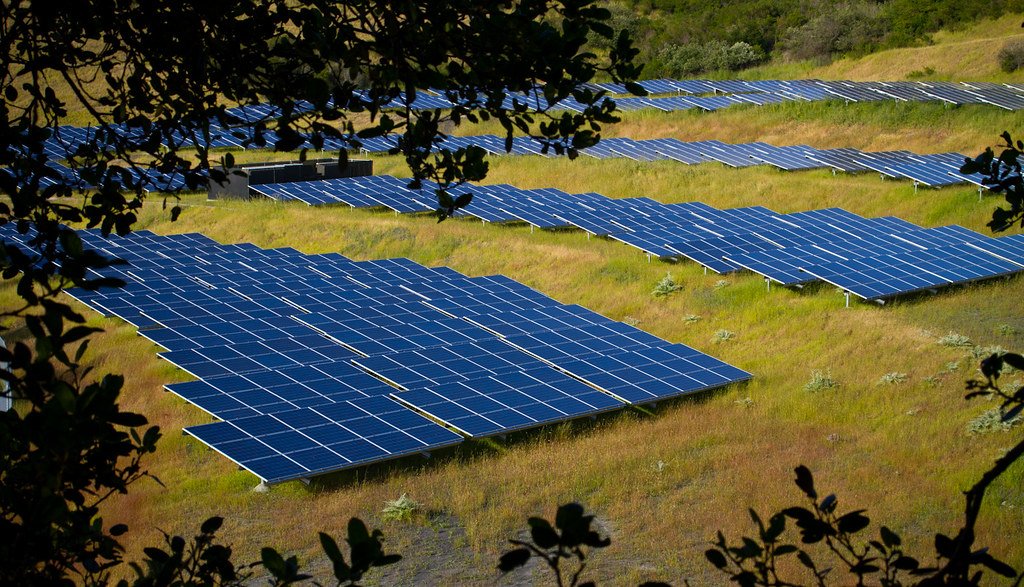
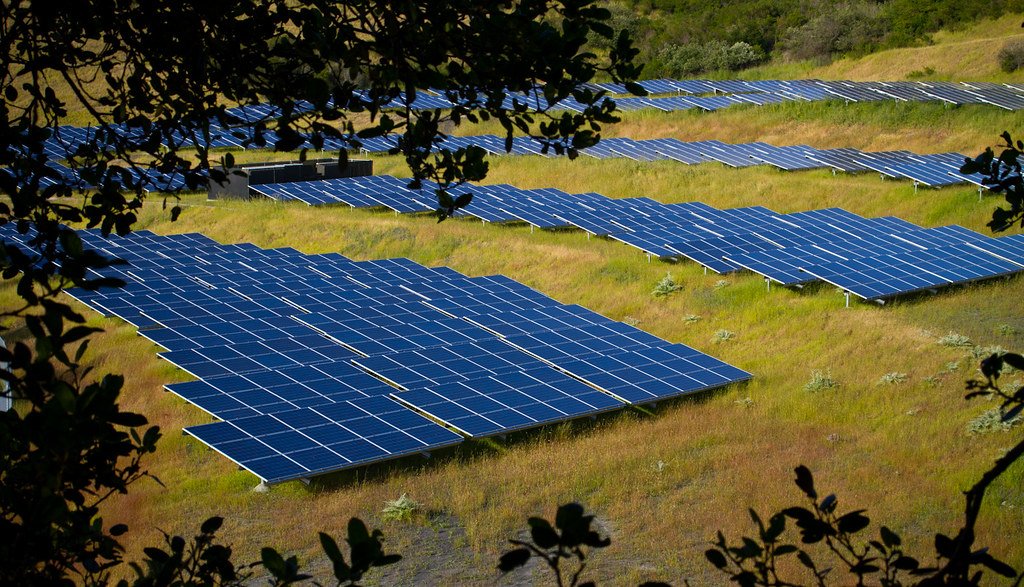
At its core, community solar is a decentralized energy model that allows multiple utility customers to share the benefits of a single, large-scale solar array located off-site. These solar farms are typically installed on unused farmland, brownfields, or large commercial rooftops within your utility’s service territory. When the sun shines on these panels, they generate clean electricity that is pumped directly into the local power grid, rather than into a specific home.
As a subscriber, you essentially “rent” or “subscribe” to a portion of that farm’s total energy output. The amount of energy your share produces is tracked by the utility company. Through a process known as virtual net metering, the value of that electricity is calculated and applied directly to your monthly utility bill in the form of community solar subscription credits. This means your physical home still receives electricity from the standard grid, but your financial obligation to the utility is offset by the clean energy your share of the solar farm produced elsewhere.
This model is particularly attractive because it requires no upfront capital. Unlike rooftop solar, which can cost between $15,000 and $25,000 before incentives, community solar programs are typically “pay-as-you-go.” You simply sign up, and the savings begin appearing on your bill within a few billing cycles. It is the most accessible way to participate in the renewable energy transition while maintaining the flexibility that modern life requires.
The Financial Breakdown: How Much Can You Actually Save?
The primary driver for most households joining a community solar program is the guaranteed reduction in electricity costs. Most reputable developers offer a discount-based model, where the credits you receive are sold to you at a lower rate than what the utility charges. In the United States, the standard discount typically ranges from 10% to 20% of the value of the credits generated.
To visualize this, consider a typical monthly scenario for a US household with a $100 electricity bill:
- The Generation: Your share of the community solar farm produces $100 worth of electricity this month.
- The Credit: The utility applies a $100 credit to your bill, potentially bringing your utility balance near zero (excluding fixed connection fees).
- The Payment: You then pay the community solar provider for those credits, but at a discounted rate. If your discount is 10%, you pay the provider $90.
- The Net Result: You have effectively paid $90 for $100 worth of power, saving $10 (10%) without any change in your energy consumption habits.
Over the course of a year, a household spending $1,200 on electricity could see total renewable energy savings of $120 to $240. While this may seem modest compared to the total elimination of a bill via rooftop panels, it comes with zero maintenance costs, no debt, and no long-term liens on your property.
Virtual Net Metering: The Engine Behind Your Credits
The technical and legal framework that makes these savings possible is virtual net metering (VNM). Without VNM laws at the state level, community solar cannot exist in its most efficient form. Currently, states like New York, Illinois, Massachusetts, Maryland, and Minnesota have some of the most robust VNM policies in the country.
Under a VNM policy, the utility is legally required to track the production of a solar farm and distribute the value of that production across the account numbers of all individual subscribers. This is a complex accounting task handled behind the scenes. In the past, this often resulted in “dual billing,” where customers received one bill from the utility and a separate bill from the solar provider. However, many states are now moving toward “consolidated billing,” where your community solar subscription credits and your utility charges are integrated into a single, easy-to-read monthly statement.
It is important to note that these credits only apply to the “supply” or “generation” portion of your bill, and sometimes the “delivery” portion, depending on state regulations. You will almost always still owe a small monthly connection fee (usually $10-$20) to the utility to remain connected to the grid for nighttime power and backup reliability.
Eligibility and the Enrollment Process
One of the greatest community solar benefits is the broad eligibility. Because there is no physical installation on your property, the barriers to entry are significantly lower than traditional solar. Generally, if you pay an electric bill and live in a state with active legislation, you can join.
Who Can Subscribe?
- Renters: Since no permanent modifications are made to the property, renters can subscribe and even take their subscription with them if they move within the same utility territory.
- Condo Owners: Those who own units but do not own the roof are prime candidates for community solar.
- Homeowners with Shaded Roofs: If your home is surrounded by trees or has an east/west orientation that isn’t ideal for panels, community solar is your solution.
- Small Businesses: Many programs offer commercial tiers for local shops looking to reduce overhead costs.
The enrollment process is typically digital and straightforward. You will need a recent copy of your utility bill so the provider can calculate your average annual usage. They aim to size your subscription to cover roughly 90% to 100% of your typical load. Most programs do not require a high credit score, though some may perform a soft credit check. Once enrolled, it usually takes 1 to 3 months for the first credits to appear on your statement as the utility synchronizes your account with the solar project’s production cycles.
Comparing Options: Rooftop Solar vs. Community Solar
Deciding which path to take depends on your living situation and financial goals. While rooftop solar offers higher long-term ROI, community solar offers immediate, risk-free savings. The following table highlights the key differences between these two clean energy paths.
| Feature | Rooftop Solar Panels | Community Solar Subscription |
|---|---|---|
| Upfront Cost | $15,000 – $25,000 (or loan) | $0 (No-cost solar option) |
| Maintenance | Owner’s Responsibility | Handled by Developer |
| Eligibility | Homeowners only (with good roofs) | Renters, Homeowners, & Businesses |
| Contract Length | 20-25 Years | Month-to-month or Short-term |
| Typical Savings | 70% – 100% of bill | 10% – 20% of bill |
Key Takeaways and Professional Tips
- Community solar provides guaranteed savings without the need for equipment installation or home ownership.
- Savings are delivered via virtual net metering credits that offset your monthly utility charges.
- Most programs are free to join and offer a 10% to 20% discount on the solar energy produced for your share.
- Always look for programs with no cancellation fees to maintain maximum flexibility.
Pro Tip: When reviewing a community solar contract, check for “Consolidated Billing.” This ensures you only receive one bill from your utility rather than two separate invoices, making it much easier to track your renewable energy savings and avoid missed payments.
Frequently Asked Questions
Do I still get a bill from my utility company?
Yes. You will always remain a customer of your local utility (such as ConEd, National Grid, or ComEd). They are responsible for delivering the electricity to your home and maintaining the wires. The community solar subscription credits simply reduce the amount you owe them each month. Depending on your provider, you may receive one integrated bill or two separate bills.
What happens if it is cloudy for a month?
Solar production naturally fluctuates with the weather and seasons. In the summer, your share will likely produce more credits than you can use; these extra credits typically roll over to future months. During cloudy winter months, you might use more electricity than your share produces. In this case, you simply pay the utility for the difference at their standard rate. Over a 12-month period, the system is designed to balance out.
Can I cancel my subscription if I move?
Most community solar contracts are very flexible. If you move within the same utility service area, you can usually just transfer your subscription to your new address. If you move out of the area entirely, most reputable providers allow you to cancel with 30 to 90 days’ notice without a penalty. Always verify the cancellation terms before signing.
Is community solar a government program?
While community solar is enabled by state laws and supported by federal tax incentives (like the Investment Tax Credit expanded by the Inflation Reduction Act), the programs themselves are usually run by private developers. Think of it as a government-regulated private market designed to make clean energy more accessible to the public.
Does this affect my credit score?
Most community solar providers perform a “soft” credit pull during the application process, which does not impact your credit score. This is simply to ensure a history of utility payments. Because you aren’t taking out a massive loan for equipment, the financial requirements are much more relaxed than those for rooftop solar installations.
Will my electricity go out if the solar farm has a problem?
No. Your physical electricity supply is still managed by the utility grid. If the solar farm goes offline for maintenance, the grid continues to power your home seamlessly. You simply wouldn’t receive solar credits for the duration the farm was inactive. Your reliability remains 100% tied to the utility company, not the solar farm.
Latest News & Current Updates
Stay up to date with recent headlines and market developments related to How Community Solar Subscription Credits Lower Monthly Utility Bills Without Rooftop Panels:
- Raritan Township launches community solar program offering JCP&L customers savings on solar credits — WRNJ Radio (02 Sep 2026)
- 1,800 community solar customers lose bill credits after providers fail to pay state charge — WGME (23 Jul 2026)
- Bill would allow for community solar projects outside utility control — WPR (15 Dec 2025)
- Massachusetts’s Community Solar Program — Institute for Local Self-Reliance (16 Oct 2025)