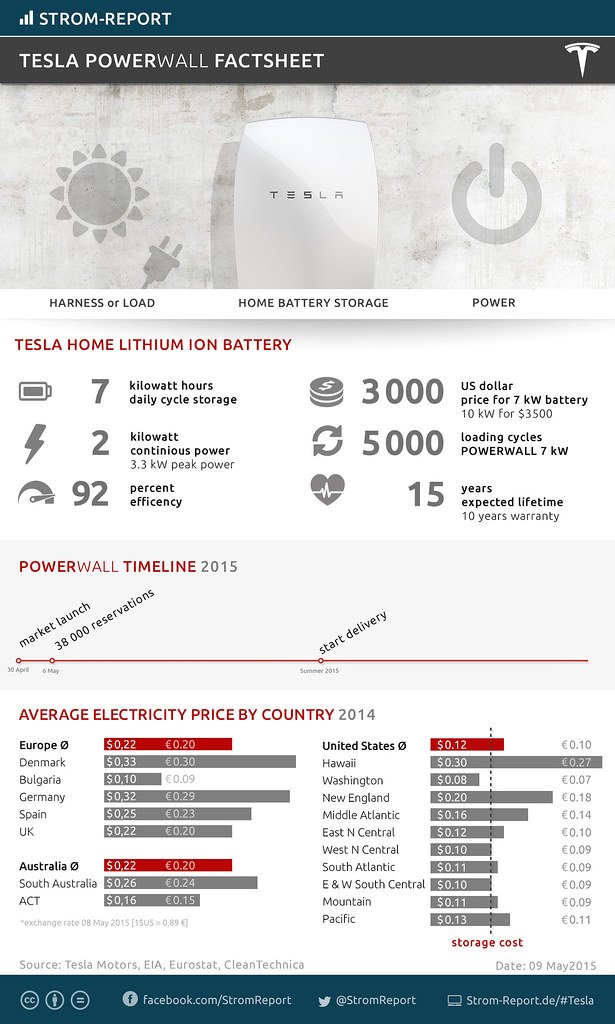
The New Era of Energy: Stacking Rewards for Home Storage

For years, the primary reason to install a home solar battery was backup power during a blackout. While peace of mind remains a significant driver, the financial landscape of residential energy storage has undergone a radical transformation. Today, savvy homeowners in the United States are no longer just looking for a safety net; they are looking for a return on investment (ROI). By strategically combining solar battery rebates and VPP programs, you can effectively “double-dip” into financial incentives that slash the upfront cost of hardware while creating a recurring stream of passive income. This guide explores how to navigate state-specific rebates, federal tax credits, and utility-led Virtual Power Plants to turn your home into a mini-power station that pays for itself.
Understanding the Upfront Advantage: State Battery Rebates
The first pillar of your financial strategy involves reducing the initial capital expenditure. Most high-capacity lithium-ion batteries, such as the Tesla Powerwall 3 or the Enphase IQ Battery, cost between $10,000 and $15,000 including installation. State-level rebates are designed to bridge the gap between the cost of the solar panels and the added expense of storage.
California’s Self-Generation Incentive Program (SGIP)
California remains the leader in storage adoption thanks to the SGIP rebate California residents can access. Depending on your utility (PG&E, SCE, or SDG&E) and your income level, SGIP can provide a rebate ranging from $150 to $1,000 per kilowatt-hour (kWh) of storage. For a standard 13.5 kWh battery, this could mean an immediate check for $2,000 to $10,000, depending on whether you qualify for the “Equity” or “Equity Resiliency” tiers. These tiers are specifically targeted at residents in high-fire-threat districts or low-income households, often covering nearly 100% of the battery cost.
The Northeast Model: ConnectedSolutions
In states like Massachusetts, Rhode Island, and Connecticut, the ConnectedSolutions program has set the gold standard for performance-based incentives. Unlike a traditional one-time rebate, this program pays you based on the average kilowatt (kW) capacity your battery contributes to the grid during peak summer events. Homeowners in these states often see annual payments ranging from $1,000 to $3,000, which, over a five-year period, acts as a delayed rebate that covers more than half the system cost.
The Rise of Virtual Power Plants (VPPs)
A Virtual Power Plant is a network of decentralized home batteries that a utility or aggregator can tap into during times of extreme grid stress. Instead of firing up a dirty “peaker” gas plant, the utility sends a signal to your battery to discharge its stored energy back into the grid. In exchange for this service, you receive Virtual Power Plant incentives.
VPPs are the key to unlocking grid services revenue. When you join a VPP, you are essentially renting out a portion of your battery’s capacity. Most programs, such as the Tesla/PG&E VPP or the Sunrun/HECO program in Hawaii, are designed to ensure you always have a reserve (typically 20%) for personal backup use. The revenue is often calculated per event or per kWh discharged. In high-demand markets like Texas (under the ADER pilot), participating in a VPP can earn homeowners hundreds of dollars a year in credits or cash payments, significantly shortening the residential battery storage ROI timeline.
How to Stack Incentives: A Step-by-Step Strategy
To maximize your financial gains, you must follow a specific sequence of applications. Failing to do so can sometimes disqualify you from one program if another is already in place. Use the following steps to ensure you capture every available dollar:
- Verify Federal Eligibility: Ensure your battery is at least 3 kWh in capacity to qualify for the 30% Residential Clean Energy Credit (Section 25D). This is a federal tax credit, not a rebate, meaning it reduces your tax liability dollar-for-dollar.
- Check State Rebate Deadlines: Programs like SGIP have “blocks” that fill up quickly. Apply for your state rebate through your installer before the installation begins.
- Confirm VPP Compatibility: Not every battery works with every VPP. For example, Tesla Powerwall VPP eligibility is widespread, but newer brands might only be compatible with specific third-party aggregators like OhmConnect or Leap.
- Enroll in Net Billing (NEM 3.0): If you are in California, you are likely under NEM 3.0. This makes a battery essential, as it allows you to store solar energy during the day and export it at night when export rates are highest, complementing your VPP income.
Financial Comparison: Standard Install vs. Optimized Stacking
To illustrate the power of combining these programs, let’s look at a typical 2024 installation of two batteries (27 kWh total) in a high-incentive state like Massachusetts or California.
| Cost/Incentive Component | Standard Installation | Optimized Stacking Strategy |
|---|---|---|
| Gross System Cost | $22,000 | $22,000 |
| Federal Tax Credit (30%) | -$6,600 | -$6,600 |
| State Rebate (e.g., SGIP) | $0 | -$3,500 |
| VPP Income (Year 1-5 Total) | $0 | -$5,000 |
| Net Effective Cost | $15,400 | $6,900 |
As the table demonstrates, the “Optimized Stacking Strategy” reduces the net cost by over 50% compared to a homeowner who only takes the federal tax credit. This effectively brings the payback period for a battery system down from 12+ years to under 6 years.
Technical Requirements and Pitfalls to Avoid
While the financial rewards are high, there are technical hurdles. Most VPP programs require a “smart” inverter that is capable of two-way communication with the utility. Furthermore, your home must have a stable, 24/7 internet connection. If your battery goes offline during a VPP event, you may forfeit your payment for that period.
Another common pitfall is “double-counting” capacity. Some local utility rebates prevent you from joining a VPP for a certain number of years because the utility claims they have already “paid” for the grid benefit through the upfront rebate. Always read the fine print in your interconnection agreement to ensure solar battery rebates and VPP programs are allowed to coexist in your specific utility territory.
Key Takeaways for Homeowners
- Stacking is Legal: You can almost always combine the 30% Federal Tax Credit with state rebates and VPP income.
- Location Matters: Residents in CA, MA, RI, CT, and NY have the most lucrative opportunities for stacking.
- VPPs are Passive: Once enrolled, the software manages the discharges; you don’t have to manually flip any switches.
- Battery Choice is Critical: Ensure your hardware (Tesla, Enphase, SolarEdge) is supported by the specific VPP aggregator in your region.
Pro Tip: When negotiating with solar installers, ask for a “VPP-ready” quote. Some installers will handle the SGIP or state rebate paperwork for you, but you usually have to enroll in the VPP yourself through the manufacturer’s app after the system is live.
Frequently Asked Questions
Will participating in a VPP drain my battery when I need it most?
Most VPP programs are designed with safeguards. For example, during a heatwave, the utility might discharge your battery in the evening, but they will never drain it below a reserve limit you set (usually 20%). Additionally, if a major storm or blackout is forecasted, most VPPs will automatically cancel discharge events to ensure your battery stays full for emergency backup.
Is the income from VPP programs taxable?
Yes, in most cases, the payments you receive from a utility for VPP participation are considered taxable income. You will likely receive a 1099-MISC form if your earnings exceed $600 in a calendar year. However, the upfront state rebates are often treated as a reduction in the “basis” of the system cost rather than taxable income, but you should consult a tax professional.
Can I join a VPP if I already have an older solar battery?
It depends on the inverter. Older AC-coupled systems may lack the communication protocols required for utility dispatch. However, many systems installed after 2020 can be retrofitted with a software update to allow for VPP participation. Check your manufacturer’s app for an “Earn” or “Grid Services” tab.
What happens if I move houses after receiving a rebate?
Most state rebate programs require the battery to remain operational at the installation address for a specific period (usually 5 to 10 years). If you move and remove the battery, you may be required to pay back a prorated portion of the rebate. VPP contracts, however, are usually tied to the utility account and can be canceled or transferred to the new homeowner.
Does the Federal Tax Credit apply to the battery if I add it later?
Yes. As of the Inflation Reduction Act of 2022, standalone battery storage (3 kWh or larger) qualifies for the 30% tax credit, even if you do not have solar panels or if you are adding the battery to an existing solar array. This has made it much easier for homeowners to “stage” their investments over several years.
Latest News & Current Updates
Stay up to date with recent headlines and market developments related to How to Combine State Solar Battery Rebates with Virtual Power Plant VPP Programs:
- California VPP is rolling out a $6,000 rebate for new home batteries — Electrek (18 Jun 2026)
- FranklinWH batteries eligible for California residential VPP rebate program — Solar Power World (17 Jun 2026)
- Solar & Battery Rebates, Subsidies & Incentives – 2026 — SolarQuotes (10 Nov 2026)
- Ava Community Energy debuts SmartHome Battery community program — Solar Builder (09 Apr 2026)