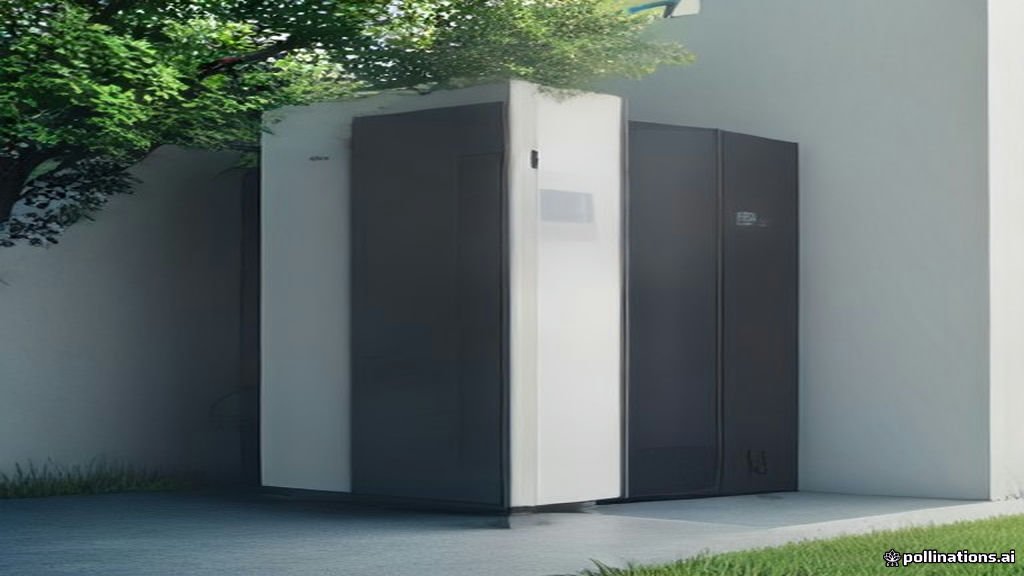
Unlock the 30% Federal Tax Credit for Standalone Home Batteries

Did you know you can claim the lucrative 30% Residential Clean Energy Credit even if your home battery storage system isn’t paired with solar panels? Thanks to updates under the Inflation Reduction Act, standalone energy storage systems are officially eligible. Whether you are using your battery for emergency backup or to capitalize on time-of-use electricity rates by charging entirely from the grid during off-peak hours, Uncle Sam is ready to help you foot the bill.
1. Verify Standalone Battery Eligibility
Under Section 25D of the Internal Revenue Code, the energy storage credit applies to battery technology with a capacity of at least 3 horsepower (or 3 kilowatt-hours). Unlike previous rules, you do not need an on-site renewable energy source like rooftop solar to qualify. The battery simply needs to be installed in a US residence and meet safety and capacity requirements.
2. Comply with the ‘Grid-Charged’ Rules
To stay fully compliant while charging exclusively from the electrical grid during off-peak hours, you must ensure your system’s operational settings reflect this. Work with your installer to program the inverter settings so the battery only draws power from the utility company when electricity rates are at their lowest. Keep detailed logs and installer confirmation verifying your grid-charging configuration in case of an audit.
3. File IRS Form 5695 Correctly
Claiming your credit is straightforward when tax season arrives, but accuracy is vital. You will need to complete IRS Form 5695 (Residential Energy Credits) and transfer the calculated credit amount directly to your Form 1040.
- Calculate total equipment and installation costs on Part I of Form 5695.
- Multiply your total qualified expenses by 30% to determine your credit amount.
- Retain all vendor invoices, payment receipts, and technical spec sheets with your permanent tax records.
Key Takeaways
- Standalone home batteries with 3+ kWh capacity qualify for a 30% federal tax credit.
- You do not need solar panels; charging solely from the grid during off-peak hours is fully eligible.
- Use IRS Form 5695 to claim the credit on your federal income taxes.
- Always save your installation invoices, receipts, and technical specification documents.
Frequently Asked Questions
Do I need solar panels to qualify for the battery storage tax credit?
No. Standalone battery storage systems with a capacity of at least 3 kWh are eligible for the 30% Residential Clean Energy Credit on their own, regardless of whether you generate solar or wind power.
Can I charge my battery entirely from the grid and still get the credit?
Yes. The law allows the credit for standalone storage systems regardless of their power source, meaning you can legally charge strictly from the grid during off-peak hours to lower your utility bills.
What IRS form do I need to file to claim the energy storage credit?
You must file IRS Form 5695, ‘Residential Energy Credits,’ along with your annual federal income tax return to claim your 30% savings.