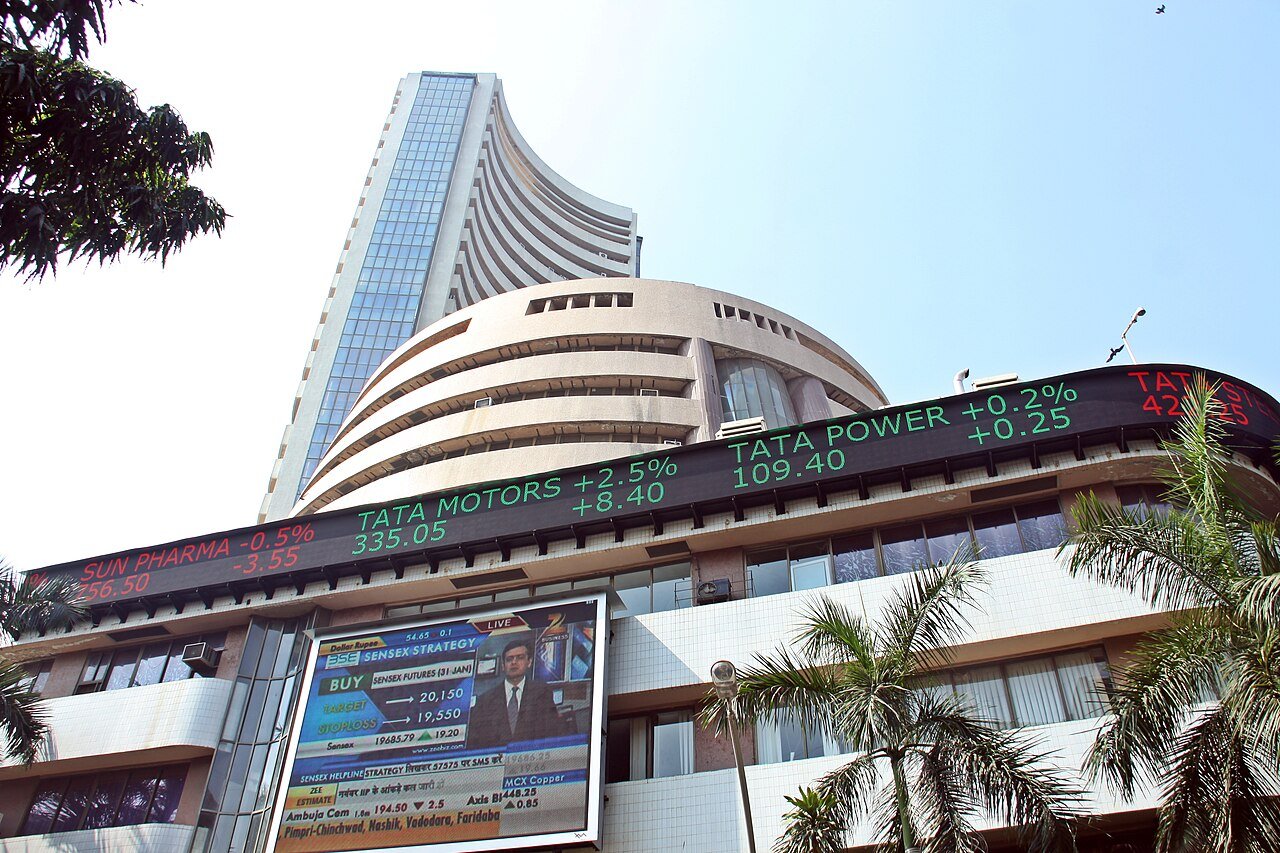
In recent years, the stock market has been defined by the explosive growth of a handful of companies. If you hold a standard S&P 500 index fund or a total stock market ETF, you are likely heavily exposed to the ‘Magnificent Seven.’ While this concentration has fueled record-breaking returns, it has also introduced a significant Mega-Cap Tech Stock Concentration Risk that many investors are currently ignoring. As we look toward 2026, the potential for mean reversion or sector rotation makes understanding your exposure vital. This guide explores how to identify if your portfolio is over-leveraged in Big Tech and provides actionable steps to rebalance your holdings to ensure long-term stability without sacrificing growth potential.
Understanding the Anatomy of Concentration Risk
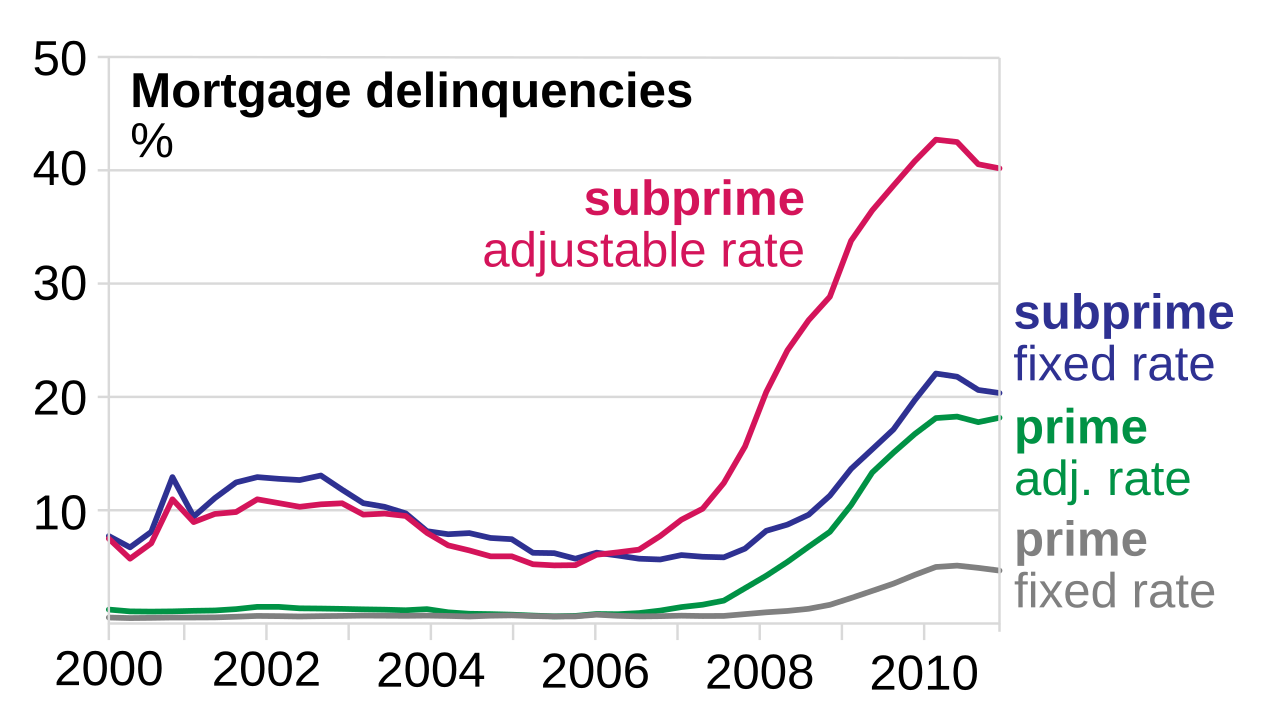
Concentration risk occurs when a portfolio’s performance becomes overly dependent on a small group of assets. In the current market cycle, the top ten holdings in the S&P 500 account for over 30% of the index’s total value—a level of concentration not seen since the dot-com bubble of the late 1990s. When you own a passive ETF, you are essentially betting that these specific tech giants will continue to outperform the broader economy indefinitely.
The Dangers of ‘Index Creep’
Many investors mistakenly believe that buying an S&P 500 ETF is synonymous with true diversification. However, because the index is market-cap-weighted, it is heavily skewed toward the largest companies. If one of these behemoths experiences a regulatory setback, a slowdown in AI revenue, or a massive earnings miss, your entire portfolio can suffer disproportionately. Recognizing this S&P 500 concentration risk is the first step toward building a more robust financial future.
Step-by-Step Strategy to Audit Your Portfolio
Before making any changes, you must quantify your exposure. Follow this structured approach to audit your current investments.
- Use an X-Ray Tool: Use free online portfolio analysis tools to input your current holdings. Look specifically for the ‘Overlap’ or ‘Top Holdings’ section.
- Calculate Weightings: If your top five holdings represent more than 20% of your total net worth, you have a concentration issue.
- Identify Correlated Assets: Check if your other ‘diversified’ funds hold the same tech stocks. Often, a ‘Growth’ ETF and an ‘S&P 500’ ETF share 70% of the same underlying assets.
- Define Your Risk Tolerance: Determine if your 2026 goals require the high volatility of concentrated tech or the steady growth of a balanced approach.
Diversification Techniques for 2026
Rebalancing is not about abandoning tech; it is about managing the weight of your exposure. To mitigate tech sector volatility, consider these professional strategies.
Integrating Equal-Weight ETFs
One of the simplest ways to reduce concentration risk is to pivot from market-cap-weighted funds to equal-weight alternatives. In an equal-weight S&P 500 ETF, Apple carries the same weight as a smaller utility company. This naturally forces you to sell winners and buy laggards during rebalancing periods, effectively implementing a ‘buy low, sell high’ strategy automatically.
Adding Non-Correlated Asset Classes
To hedge against a tech-led drawdown, introduce asset classes that historically move independently of the Nasdaq. This includes international developed markets, small-cap value stocks, or even high-quality bonds. By diversifying into sectors like industrials, financials, or energy, you ensure that your portfolio is not solely dependent on the success of a few software companies.
The Role of Active vs. Passive Management
There is a growing debate regarding whether passive investing is still the right choice in a concentrated market. When the top five stocks drive 80% of index returns, passive investing creates a ‘winner-take-all’ environment. As we move into 2026, many advisors suggest a ‘Core-Satellite’ approach. This involves keeping a low-cost, passive core (the S&P 500) while using satellite positions to specifically target sectors that are currently undervalued or underrepresented in your portfolio.
Tactical Asset Allocation
Tactical allocation allows you to adjust your sector weights based on current market signals. For example, if tech valuations reach historic price-to-earnings (P/E) ratios, a tactical investor might trim 5% of their tech exposure and reallocate that capital into dividend-paying value stocks. This is an active form of portfolio rebalancing strategies that requires discipline but can significantly lower downside risk.
| Strategy | Risk Level | Complexity | Best For |
|---|---|---|---|
| Market-Cap ETF | High (Concentrated) | Very Low | Passive Buy-and-Hold |
| Equal-Weight ETF | Medium | Low | Risk Mitigation |
| Core-Satellite | Medium | Medium | Active Long-Term Growth |
| Sector Rotation | High | High | Experienced Investors |
Execution: How to Rebalance Without Triggering Taxes
Rebalancing your portfolio can trigger capital gains taxes if you are trading in a taxable brokerage account. To minimize this impact, focus your rebalancing efforts within your tax-advantaged accounts, such as an IRA or 401(k). For taxable accounts, use new contributions to buy underrepresented asset classes rather than selling your existing tech winners. This ‘rebalancing via inflow’ strategy allows you to shift your asset allocation over time without incurring unnecessary tax liabilities.
Key Takeaways for Your 2026 Portfolio
- Audit Regularly: Check your top 10 holdings quarterly to see if your concentration has drifted.
- Mind the Overlap: Don’t buy multiple ETFs that hold the same mega-cap stocks; it creates a false sense of security.
- Consider Equal Weighting: Shift a portion of your core holdings to equal-weighted funds to dampen volatility.
- Tax-Efficient Moves: Prioritize rebalancing inside tax-advantaged accounts to avoid capital gains hits.
- Stay Disciplined: Don’t chase the latest tech hype; stick to your long-term asset allocation plan.
Expert Pro Tip: The biggest mistake investors make is ‘performance chasing.’ Just because tech has led the market for five years does not mean it will do so for the next five. True wealth preservation requires the courage to sell a portion of your winning assets to buy what is currently out of favor.
Frequently Asked Questions
What is the biggest risk of holding too much Big Tech?
The primary risk is a lack of diversification. If the tech sector faces a downturn due to AI regulation or economic shifts, your entire portfolio could drop significantly, as mega-cap stocks now drive the vast majority of index performance.
How often should I rebalance my ETF portfolio?
Most experts recommend checking your allocation at least once or twice a year. However, if your target asset allocation drifts by more than 5% due to a massive run-up in tech, it is time to rebalance immediately.
Is it better to sell tech stocks or just stop buying them?
If you are in a taxable account, it is often better to stop buying them and direct new capital to underrepresented sectors. This allows you to rebalance without triggering immediate tax events.
What are the benefits of an equal-weight ETF?
Equal-weight ETFs reduce concentration risk by giving every company in the index an equal percentage, preventing a few mega-cap stocks from dominating your total returns and risk profile.
Can a portfolio be too diversified?
Yes, ‘diworsification’ is a real risk. If you own too many funds, your performance will essentially track the average, and you may end up paying higher expense ratios without gaining meaningful protection.
Latest News & Current Updates
Stay up to date with recent headlines and market developments related to Mega-Cap Tech Stock Concentration Risk: How to Rebalance Your ETF Portfolio for 2026:
- Tech concentration and investors: Navigating today’s market landscape — UBS (17 Jun 2026)
- Market concentration in 2026: Are you less diversified than you think? Consider whether to rebalance — Chase Bank (24 Aug 2026)
- After the Latest AI Stock Rally, Investors Face a Reality Check — Morningstar (07 Jul 2026)
- The hidden risk in index funds — Fidelity Investments (31 Aug 2026)