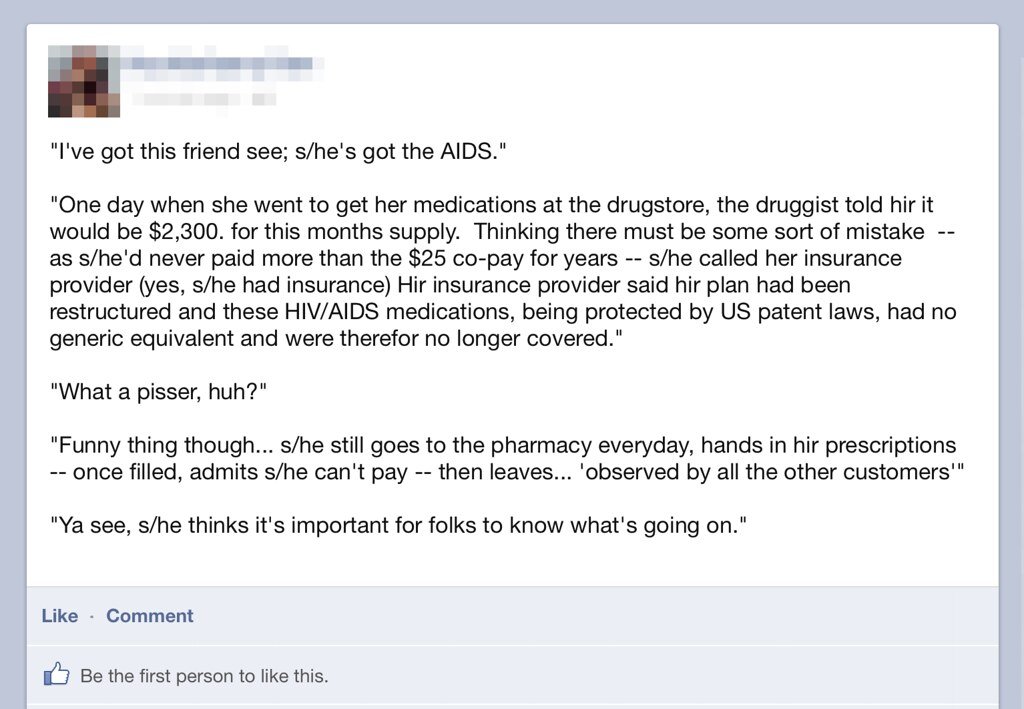
The Rising Crisis of Prescription Costs and Your Path to Relief
In the United States, the cost of life-saving medication has reached a breaking point for many families. Whether you are managing a chronic condition like diabetes, an autoimmune disorder requiring biologics, or a sudden diagnosis of cancer, the price tag at the pharmacy counter can be staggering. For many, the choice between paying for groceries and filling a prescription is a daily reality. However, there is a powerful yet underutilized resource available to many patients: patient assistance programs for prescriptions (PAPs). These programs, often funded directly by pharmaceutical manufacturers or non-profit foundations, are designed to provide medications for free or at a significantly reduced cost to those who meet specific financial and clinical criteria.
Understanding how to navigate these programs is essential for anyone looking to lower out of pocket drug costs. While the healthcare system can feel like a labyrinth of red tape, mastering the application process for PAPs can save you thousands of dollars annually. This guide will walk you through the eligibility requirements, the application steps, and the strategic differences between manufacturer programs and non-profit foundations, ensuring you never have to leave a necessary medication behind due to its price.
Understanding the Landscape of Patient Assistance Programs
What are Manufacturer-Sponsored PAPs?
Most major pharmaceutical companies, such as Pfizer, Eli Lilly, Merck, and AbbVie, operate their own assistance programs. These are often branded under names like ‘Lilly Cares’ or ‘Pfizer RxPathways.’ These programs exist primarily to help patients who are uninsured or ‘underinsured’—meaning they have insurance, but their plan does not cover a specific drug or the cost-sharing (deductibles and copays) is prohibitively high. For specialty medications that can cost upwards of $5,000 per month, these programs are often the only way a patient can access treatment.
The Role of Non-Profit Foundations
In addition to manufacturer programs, non-profit organizations like the Patient Access Network (PAN) Foundation and the HealthWell Foundation provide grants to cover copayments, premiums, and travel costs related to treatment. Unlike manufacturer PAPs, which usually provide the actual physical medication, these foundations provide financial assistance that pays your pharmacy directly. This is particularly crucial for patients on Medicare, who are often legally barred from using manufacturer copay cards due to federal anti-kickback statutes.
Navigating Income Eligibility for PAPs
One of the biggest misconceptions about pharmaceutical company assistance is that you must be living in poverty to qualify. In reality, many programs have generous income eligibility for PAPs. Eligibility is usually calculated based on the Federal Poverty Level (FPL), which is updated annually by the government.
- Standard Eligibility: Many programs require an income at or below 200% to 300% of the FPL. For a single person in 2024, 200% FPL is approximately $30,120.
- Specialty Medication Exceptions: For high-cost biologics or oncology drugs, some manufacturers extend eligibility to those earning up to 500% of the FPL ($75,300 for an individual or over $150,000 for a family of four).
- Cost-of-Living Adjustments: Some foundations take into account your local cost of living and specific medical expenses when determining financial hardship, so it is always worth applying even if you think your income is too high.
Step-by-Step Guide to Applying for Assistance
Securing specialty medication discounts requires a proactive approach. The application process typically involves three main parties: you, your doctor, and the program administrator. Follow these steps to ensure a smooth approval process:
Step 1: Identify the Manufacturer
Look at your medication packaging or search for the drug name online to find the manufacturer. Once identified, visit the manufacturer’s website and look for a link labeled ‘Patient Support,’ ‘Cost Support,’ or ‘Prescription Assistance.’
Step 2: Gather Financial Documentation
You will need proof of income. This typically includes your most recent federal tax return (Form 1040), W-2s, or recent pay stubs. If you have no income, you may be required to submit a ‘Letter of Hardship’ or documentation showing that you receive Social Security or disability benefits.
Step 3: Complete the Provider Section
Every PAP application has a section that must be filled out by your prescribing physician. This section confirms your diagnosis and the medical necessity of the drug. Many doctors’ offices have a dedicated ‘Patient Navigator’ or social worker who can assist with this paperwork. Do not hesitate to ask your medical team for help; they are often very familiar with these forms.
Step 4: Submission and Follow-up
Applications can often be submitted via an online portal, fax, or mail. Once submitted, call the program’s toll-free number within 48 hours to confirm receipt. Approvals can happen in as little as a few days, but sometimes require a week or two of processing.
Copay Assistance Cards vs. Patient Assistance Programs
It is vital to distinguish between copay assistance cards and full PAPs. While both aim to lower out of pocket drug costs, they serve different populations and have different rules.
| Feature | Copay Assistance Cards | Patient Assistance Programs (PAPs) |
|---|---|---|
| Target Audience | Commercially insured patients only. | Uninsured or underinsured patients. |
| Medicare/Medicaid | Prohibited (Anti-Kickback Statute). | Allowed (if criteria are met). |
| Income Limits | Usually none. | Strict FPL-based limits. |
| Benefit Type | Reduces copay at the register. | Often provides drug for $0 cost. |
| Duration | Annual limits or ‘caps’ apply. | Usually valid for 12 months, then renew. |
A common pitfall today is the ‘Copay Accumulator Adjustment’ program. Many insurance companies have implemented policies where the money provided by a manufacturer’s copay card does not count toward your annual deductible. This means you might get your drug for $0 for a few months, but you still haven’t met your deductible, leading to a massive bill later in the year. If you find yourself in this situation, a full PAP or a non-profit grant may be a better long-term strategy.
Strategies for Medicare Part D Prescription Savings
Patients on Medicare face unique challenges. Because of federal laws, drug manufacturers cannot give ‘kickbacks’ to Medicare beneficiaries in the form of copay cards. This creates the infamous ‘donut hole’ or coverage gap where costs skyrocket. To find Medicare Part D prescription savings, you must look toward:
- The Extra Help Program: A federal program (also known as the Low-Income Subsidy or LIS) that helps pay for Part D premiums and lowers drug copays to a few dollars.
- State Pharmaceutical Assistance Programs (SPAPs): Many states (like New York, New Jersey, and Pennsylvania) have their own programs to supplement Medicare coverage for seniors.
- Foundation Grants: As mentioned, non-profits like PAN Foundation are the primary way Medicare patients get help with high-cost specialty drugs.
Key Takeaways and Expert Tips
- Always check NeedyMeds: This is a massive database that aggregates all available PAPs, coupons, and government programs in one place.
- Re-apply annually: Most assistance programs expire after 12 months. Mark your calendar to re-submit your paperwork 30 days before your current enrollment ends.
- Check for ‘Open Enrollment’ at Foundations: Non-profit funds for specific diseases (like MS or Asthma) often run out of money. Check their websites frequently; when a fund ‘opens,’ you must apply immediately.
Pro Tip: If your application is denied due to income, ask for an ‘Appeal based on medical necessity’ or ‘High medical spend-down.’ Sometimes showing that your medical bills exceed a large percentage of your income can override the standard FPL limits.
Frequently Asked Questions
Can I use a Patient Assistance Program if I have health insurance?
Yes. Many manufacturer programs allow ‘underinsured’ patients to participate if their insurance doesn’t cover the drug or if the copay is unaffordable. However, you must prove that your insurance coverage is inadequate for that specific medication.
How long does it take to get my medication after applying?
The timeline varies, but most programs process applications within 7 to 10 business days. Once approved, the medication is either shipped directly to your home or a ‘pharmacy card’ is issued that allows you to pick it up at your local pharmacy for $0.
Are these programs only for brand-name drugs?
Generally, yes. Pharmaceutical companies use PAPs for their branded, patent-protected medications. For generic drugs, you are better off using discount tools like GoodRx or Cost Plus Drugs, as generics rarely have formal patient assistance programs.
What if my medication is not covered by any PAP?
If there is no manufacturer program, look for disease-specific foundations. Additionally, talk to your doctor about ‘therapeutic alternatives’—different drugs in the same class that might have an active assistance program available.
Do I have to pay a fee to apply for these programs?
No. Legitimate patient assistance programs are free to apply for. Be wary of ‘advocacy’ companies that charge you a monthly fee to manage these applications for you; you can do everything they do for free by contacting the manufacturers directly.
Can I get help with my Medicare Part D monthly premiums?
Yes, through the ‘Extra Help’ program (LIS) or certain State Pharmaceutical Assistance Programs. Some non-profit foundations also offer premium assistance grants for specific chronic conditions.
Latest News & Current Updates
Stay up to date with recent headlines and market developments related to How to Lower Out of Pocket Prescription Costs Using Patient Assistance Programs:
- Utilizing 340B Margin to Create a Patient Prescription Assistance Program — Pharmacy Times (16 Sep 2026)
- Prescription Assistance Programs for Asthma Drugs — Verywell Health (21 May 2026)
- Microsoft outage disrupts patient prescriptions and GP practice systems — Nursing in Practice (13 Nov 2026)
- Online prescription services raise patient safety concerns as subscriptions grow — The Indian Sun (15 Nov 2026)